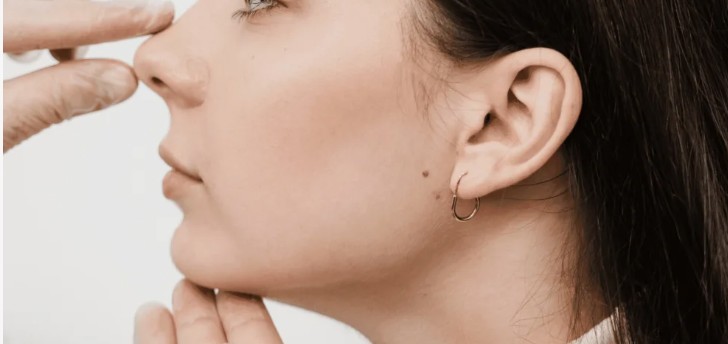
Rhinoplasty is one of the most common facial operations, and also one of the most technically demanding. A few millimetres change how the whole face looks, and the nose also has to keep breathing well. If you are thinking about surgery, a bit of preparation helps you get more out of the first consultation.
Open or closed technique
In open rhinoplasty the surgeon makes a small cut across the skin between the nostrils and lifts the skin to see the structure directly. It suits complex changes and revision cases. Closed rhinoplasty is done entirely through incisions inside the nose, leaves no visible scar and usually means less swelling. Ask which approach the surgeon suggests for your nose and why.
Function matters as much as shape
A deviated septum, narrow airways or weak nasal valves can be corrected in the same operation. Tell the surgeon about any breathing problems, snoring or sinus issues before planning the cosmetic part.
Check experience and real cases
Look for a surgeon who performs rhinoplasty every week. Ask for before-and-after photos of noses similar to yours, taken at least a year after surgery, because the tip keeps refining for twelve months or more.
Who is a good candidate
The best results come when the nose has finished growing, usually from 17 or 18, and the patient is in good general health. Smokers are asked to stop several weeks before and after surgery, because nicotine slows healing of the skin and cartilage. Realistic expectations matter too: the goal is a nose that fits your face, not a copy of a photo.
Preparing for surgery
Two weeks before the operation, most surgeons ask you to stop aspirin, ibuprofen, fish oil and some herbal supplements that increase bleeding. Plan someone to drive you home and to stay with you the first night. Prepare extra pillows, because sleeping with the head raised reduces swelling.
Understand the full cost
Ask whether the price includes anaesthesia, the hospital stay, splints, follow-up visits and medication. Clinics that publish their prices openly, such as City Medical Centre, make it easier to compare offers line by line.
What recovery looks like
The splint comes off after about a week. Bruising around the eyes fades within 10 to 14 days, and most people return to office work after that. Avoid sports, glasses resting on the nose and long flights in the first weeks.
Questions worth writing down
- How many rhinoplasties do you perform each year?
- Will you also correct the septum if needed?
- How often do your patients need revision surgery?
- Who do I contact if something feels wrong after discharge?
Revision rhinoplasty
About one patient in ten wants a small correction later. Revisions are harder than the first operation because of scar tissue, and most surgeons wait at least a year before considering one. Ask how revisions are handled and what they cost before you book.
Clear answers to these questions are a good sign. Vague ones are a reason to get a second opinion before you commit.