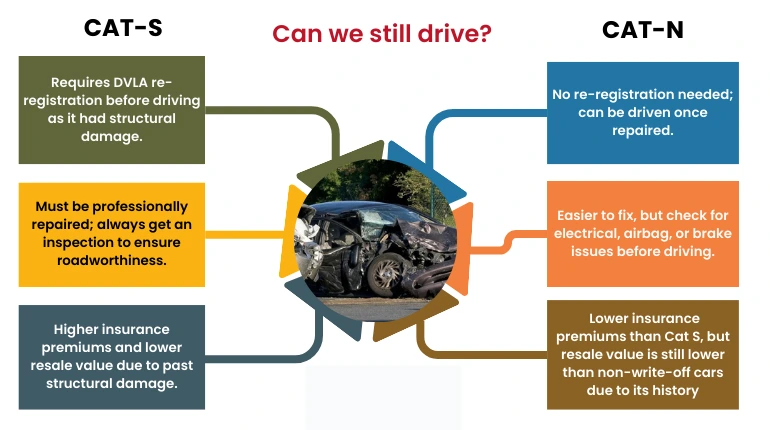
A car being classified as Category S on a car is a significant indicator that it has sustained structural damage. This classification, originating from the UK’s insurance write-off system, means the vehicle’s chassis or frame has been compromised, requiring professional repair before it can be deemed roadworthy again. Unlike cosmetic damage, structural damage directly impacts the vehicle’s safety and integrity, making the repair process more complex and critical. Therefore, understanding what Category S entails is crucial for potential buyers and current owners alike, as it profoundly affects a car’s value and future usability.
What Exactly Does Category S Signify for a Vehicle? The Damage Threshold and Structural Integrity
When an insurance company declares a vehicle a Category S write-off, it means the estimated cost of repairing the structural damage exceeds the car’s market value. This doesn’t necessarily mean the car is irreparable, but rather that it’s uneconomical for the insurer to repair it. Structural damage refers to harm affecting the core strength and safety of the vehicle, which includes:
- Damage to the chassis, frame, or crumple zones.
- Significant deformation of the vehicle’s body shell.
- Compromised suspension mounting points or steering components.
- Any damage that could affect the car’s ability to protect occupants in a future collision.
Implications of Owning a Category S Vehicle Repair and Re-Registration Process
For a category S vehicle to return to the road legally, it must undergo professional repair to fix all structural damage. These repairs must be carried out to a high standard, ensuring the car’s safety and structural integrity are fully restored. After repairs, the vehicle must pass a thorough inspection, often involving a Vehicle Identity Check (VIC) in some regions, to confirm its identity and roadworthiness. This process is vital to ensure that the car meets all safety standards post-repair.
Impact on Insurance and Resale Value
Purchasing a Category S car can significantly impact its insurance premiums and resale value. Insurers might charge higher premiums due to the car’s history of structural damage, or some might even refuse to insure it altogether. Furthermore, the resale value of a Category S vehicle is typically much lower than a comparable car without a write-off history, even after professional repairs. Buyers are often wary of such vehicles, making them harder to sell.
Category S vs. Category N: Understanding the Differences
To further clarify the nature of Category S, it’s helpful to compare it with Category N, another common insurance write-off classification.
| Feature | Category S (Structural) | Category N (Non-Structural) |
|---|---|---|
| Damage Type | Significant structural damage affecting chassis, frame, safety. | Non-structural damage (e.g., cosmetic, electrical, mechanical) that does not affect chassis/frame. |
| Repair Focus | Requires professional repair to structural components for safety. | Repairs primarily focus on cosmetic, electrical, or mechanical issues. |
| Roadworthiness | Must be repaired and re-inspected to confirm safety before returning to road. | Can often be returned to the road without extensive structural checks once fixed. |
| Market Value | Significantly reduced post-repair, harder to sell. | Reduced post-repair, but generally less impact than Category S. |
Purchasing a Category S Car: Key Considerations
While Category S cars often come with a lower price tag, potential buyers should exercise extreme caution and conduct thorough due diligence. Here are critical points to consider:
- Professional Inspection: Always get an independent, comprehensive inspection from a trusted mechanic specialising in structural assessments before purchase.
- Repair Documentation: Request and meticulously review all repair invoices and documentation to verify the quality and extent of the work done.
- Vehicle History Check: Obtain a full vehicle history report to confirm the write-off status and any other undisclosed issues.
- Insurance Quotations: Get insurance quotes before buying, as premiums can be significantly higher or coverage difficult to obtain.
- Long-term Value: Be prepared for a lower resale value and potentially longer selling times if you decide to part with the vehicle in the future.
Understanding what category s means on a car is fundamental for anyone navigating the used car market, especially when considering vehicles with a write-off history. While these cars can represent a more affordable entry point into car ownership, the inherent risks associated with previous structural damage necessitate rigorous checks and a clear understanding of the potential long-term implications. Always prioritize safety and due diligence to make an informed decision that aligns with your financial and safety expectations.
Frequently Asked Questions About Category S Cars Q: Is a Category S car safe to drive after repairs?
A: If a Category S car has been professionally repaired to the required standards and has passed all necessary inspections (such as a VIC check if applicable), it should theoretically be safe to drive. However, the quality of repairs can vary, which is why an independent inspection is highly recommended.
Q: Can I get insurance for a Category S car?
A: Yes, it is usually possible to get insurance for a Category S car, but you must declare its write-off status to your insurer. Be prepared for potentially higher premiums or limited coverage options compared to a non-written-off vehicle.
Q: How does Category S affect a car’s value?
A: A Category S classification significantly reduces a car’s market value, often by 20% to 50% or even more, compared to an identical model without a write-off history. This depreciation reflects the perceived risk and the car’s past structural damage.
Q: Are Category S cars always cheap?
A: They are typically cheaper than non-written-off counterparts due to their history. However, the price difference should reflect the extent of the original damage and the quality of repairs. A car that seems “too cheap” might indicate inadequate repairs or hidden issues.
Q: Can I remove the Category S marker from my car’s history?
A: No, the Category S marker is a permanent part of the car’s history and cannot be removed, even after successful repairs. It will always be disclosed in vehicle history checks.