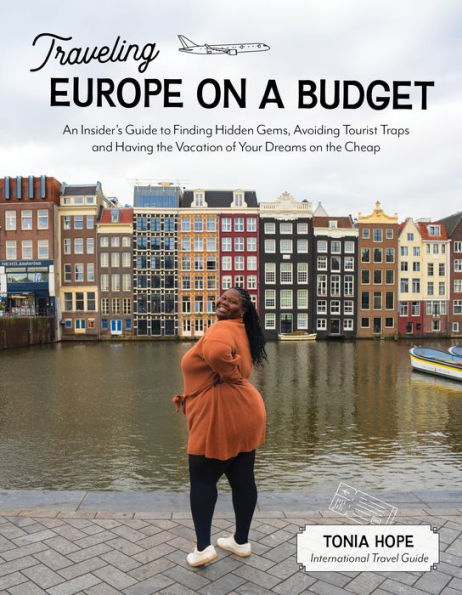
Dreaming of cobblestone streets, historic castles, and vibrant cultures, but worried your wallet might not stretch that far? Many aspiring adventurers believe that exploring the diverse landscapes of Europe is an exclusive luxury, reserved only for those with deep pockets. However, with strategic planning and smart choices, it is absolutely possible to experience the continent’s wonders without depleting your savings. This comprehensive guide will show you exactly how to travel Europe on a budget, turning your wanderlust into a tangible reality; It’s time to discover the secrets to an unforgettable European journey that respects your financial limits.
Smart Planning for Affordable European Adventures
The foundation of any successful budget trip to Europe lies in meticulous preparation. Thinking ahead about your travel dates and essential bookings can save you a significant amount of money and stress.
Timing Your Trip Wisely for Reduced Costs
Choosing the right time of year can drastically impact your expenses. - Off-Peak Season: Traveling in late autumn, winter (excluding Christmas/New Year), or early spring usually means lower prices for flights and accommodation. You’ll also encounter fewer crowds at popular attractions.
- Shoulder Season: Months like April-May and September-October offer a sweet spot with pleasant weather, fewer tourists than peak summer, and generally more reasonable prices.
Booking Essentials Ahead: Flights and Accommodation
Early birds often catch the best deals when it comes to transportation and lodging. - Flights:
- Book international flights several months in advance.
- Be flexible with your travel dates and consider flying into smaller, regional airports.
- Utilize budget airlines (e.g., Ryanair, Wizz Air, EasyJet) for inter-European travel, but be mindful of baggage fees.
- Always check prices using incognito mode in your browser.
- Accommodation:
- Hostels: Ideal for solo travelers or groups, offering dorms and private rooms, plus communal kitchens and social atmospheres.
- Guesthouses & B&Bs: Often more affordable and personal than hotels, especially in smaller towns.
- Airbnb (Private Rooms): Renting a private room in someone’s home can be cheaper than an entire apartment and offers local insights.
- Couchsurfing: A fantastic free option for meeting locals and experiencing authentic culture, though requires flexibility.
Early birds often catch the best deals when it comes to transportation and lodging.
- Flights:
- Book international flights several months in advance.
- Be flexible with your travel dates and consider flying into smaller, regional airports.
- Utilize budget airlines (e.g., Ryanair, Wizz Air, EasyJet) for inter-European travel, but be mindful of baggage fees.
- Always check prices using incognito mode in your browser.
- Accommodation:
- Hostels: Ideal for solo travelers or groups, offering dorms and private rooms, plus communal kitchens and social atmospheres.
- Guesthouses & B&Bs: Often more affordable and personal than hotels, especially in smaller towns.
- Airbnb (Private Rooms): Renting a private room in someone’s home can be cheaper than an entire apartment and offers local insights.
- Couchsurfing: A fantastic free option for meeting locals and experiencing authentic culture, though requires flexibility.
When considering how to travel Europe on a budget, remember that every euro saved on a bed or a flight is a euro available for an unforgettable experience.
Mastering Transportation Without Breaking the Bank
Once you’re in Europe, moving between cities and countries doesn’t have to be expensive. There are numerous cost-effective options for getting around.
Ground Travel Options Across the Continent
For inter-city and inter-country travel, consider these alternatives to flying. - Buses: Companies like FlixBus and Eurolines offer extensive networks across Europe at significantly lower prices than trains. They might take longer, but the savings can be substantial.
- Trains: While often more expensive than buses, trains offer scenic routes and comfort.
- Eurail/Interrail Passes: Can be good value for extensive travel across multiple countries, but calculate if individual point-to-point tickets are cheaper for your specific itinerary.
- Regional Tickets: Buying tickets directly from national rail operators in advance can yield better prices than last-minute purchases.
- Ride-Sharing: Platforms like BlaBlaCar connect drivers with passengers, offering a social and economical way to travel between cities.
Local Exploration on a Shoestring
Within cities, avoid taxis and embrace local methods. - Walking & Cycling: The best way to see a city and it’s completely free! Many cities offer bike rental schemes.
- Public Transport Passes: Purchase multi-day passes for trams, buses, and metros. These are almost always cheaper than individual tickets for frequent use.
Savvy Spending on Food and Activities
- Eurail/Interrail Passes: Can be good value for extensive travel across multiple countries, but calculate if individual point-to-point tickets are cheaper for your specific itinerary.
- Regional Tickets: Buying tickets directly from national rail operators in advance can yield better prices than last-minute purchases.
Within cities, avoid taxis and embrace local methods.
- Walking & Cycling: The best way to see a city and it’s completely free! Many cities offer bike rental schemes.
- Public Transport Passes: Purchase multi-day passes for trams, buses, and metros. These are almost always cheaper than individual tickets for frequent use.
Savvy Spending on Food and Activities
Food and entertainment are often significant expenses, but with a little ingenuity, you can enjoy delicious meals and memorable experiences without overspending.
Eating Like a Local (and a Budget Traveler)
Embrace local habits to save money on food. - Supermarkets & Picnics: Stock up on groceries, fresh bread, cheese, and local produce. Enjoy picnics in parks or cook meals in hostel kitchens.
- Street Food & Markets: Experience local flavors at a fraction of restaurant prices. Many European cities boast incredible street food scenes and vibrant food markets.
- Lunch Deals: Look for “Menu del Día” or “Plat du Jour” specials, which offer multi-course meals at a fixed, often lower, price during lunchtime.
- Tap Water: Carry a reusable water bottle and refill it whenever possible to avoid buying bottled water.
Free and Low-Cost Activities
Europe is teeming with free attractions and affordable entertainment. - Free Walking Tours: Many cities offer “free” walking tours (tip-based) that provide a great introduction to the area’s history and culture.
- Museum Free Days: Research museums for specific free entry days or hours, often found on the first Sunday of the month or late evenings.
- Parks & Public Squares: Enjoy the ambiance of stunning parks, historic squares, and beautiful cathedrals, which are often free to enter and explore.
- Hiking & Nature: Europe’s diverse landscapes offer countless opportunities for free outdoor activities, from coastal walks to mountain trails.
Financial Hacks and Money Management
Europe is teeming with free attractions and affordable entertainment.
- Free Walking Tours: Many cities offer “free” walking tours (tip-based) that provide a great introduction to the area’s history and culture.
- Museum Free Days: Research museums for specific free entry days or hours, often found on the first Sunday of the month or late evenings.
- Parks & Public Squares: Enjoy the ambiance of stunning parks, historic squares, and beautiful cathedrals, which are often free to enter and explore.
- Hiking & Nature: Europe’s diverse landscapes offer countless opportunities for free outdoor activities, from coastal walks to mountain trails.
Financial Hacks and Money Management
Effective money management is crucial for a successful budget trip. Being smart with your cash flow can help you avoid unnecessary fees and keep track of your spending.
Budgeting Tools and Apps
Utilize technology to monitor your expenses. - Budgeting Apps: Apps like Mint, TravelSpend, or even a simple spreadsheet can help you track daily spending and stick to your budget.
- Daily Budget: Set a realistic daily spending limit and try your best to adhere to it. This helps prevent overspending on any given day.
Avoiding Fees and Smart Currency Exchange
Be mindful of how you handle your money abroad. - Travel Credit/Debit Cards: Look for cards that offer no foreign transaction fees and favorable exchange rates. Notify your bank of your travel plans.
- ATM Withdrawals: Withdraw larger sums less frequently to minimize ATM fees. Always choose to be charged in the local currency if given the option at an ATM.
- Currency Exchange: Avoid exchanging money at airports or popular tourist spots, as rates are usually unfavorable. Use reputable ATMs or banks instead.
Be mindful of how you handle your money abroad.
- Travel Credit/Debit Cards: Look for cards that offer no foreign transaction fees and favorable exchange rates. Notify your bank of your travel plans.
- ATM Withdrawals: Withdraw larger sums less frequently to minimize ATM fees. Always choose to be charged in the local currency if given the option at an ATM.
- Currency Exchange: Avoid exchanging money at airports or popular tourist spots, as rates are usually unfavorable. Use reputable ATMs or banks instead.
Understanding how to travel Europe on a budget is not just about cutting costs; it’s about making smart choices that enhance your experience while preserving your financial health. With careful planning, a willingness to embrace local lifestyles, and a focus on value, your dream European adventure is well within reach. Europe awaits, ready to be explored without requiring a king’s ransom.
Frequently Asked Questions About Budget Europe Travel Q: Is it really possible to travel Europe on a very tight budget?
A: Absolutely! While it requires conscious effort and smart choices, millions of travelers successfully explore Europe on limited budgets by opting for hostels, cooking their own meals, using public transport, and seeking out free activities.
Q: What’s the cheapest time to visit Europe?
A: Generally, the off-peak season (late autumn, winter, early spring, excluding major holidays like Christmas) offers the lowest prices for flights and accommodation. The “shoulder seasons” (April-May, September-October) also provide good value with pleasant weather.
Q: How much money per day should I budget for Europe?
A: A very tight budget might be around €40-€60 per day, covering hostel dorms, self-cooked meals, and free activities. A more comfortable budget might be €70-€100 per day, allowing for some restaurant meals, more diverse activities, and occasional private rooms.
Q: Are hostels safe for budget travelers?
A: Yes, the vast majority of hostels are very safe. They often have 24/7 reception, key card access to rooms, and lockers for valuables. Researching reviews for specific hostels is always a good idea to ensure they meet your safety expectations.
Q: Should I buy a Eurail Pass for budget travel?
A: A Eurail Pass can be a good value if you plan extensive train travel across many countries in a short period. However, for shorter trips or travel within fewer countries, individual point-to-point tickets (especially if booked in advance) or budget buses can often be cheaper. Always compare costs based on your specific itinerary.