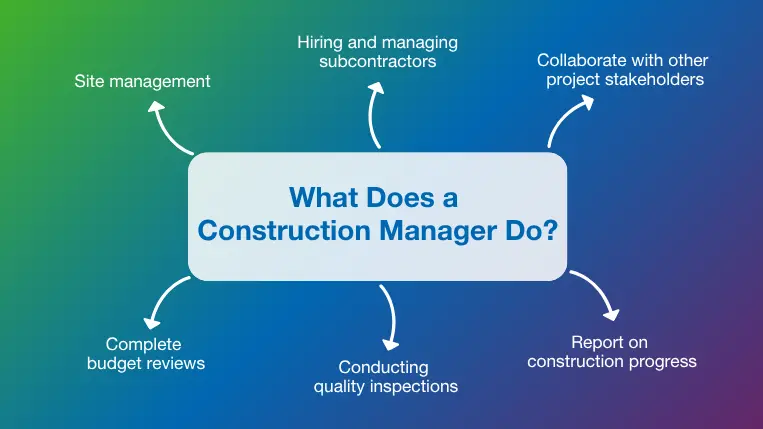
The world of construction is intricate, demanding precise coordination, meticulous planning, and expert oversight at every stage․ A construction manager stands as the central figure orchestrating this complex dance, ensuring projects are completed on time, within budget, and to the required quality standards․ This professional acts as the ultimate problem-solver and decision-maker, bridging the gap between various stakeholders from architects and engineers to contractors and clients․ Their expertise is crucial for mitigating risks, optimizing resources, and navigating the myriad challenges inherent in any building endeavor, making them indispensable to successful project delivery․
What Exactly Does a Construction Project Manager Do?
The responsibilities of a construction project manager are vast and varied, encompassing the entire lifecycle of a project from conception to completion․ They are not merely supervisors but strategic leaders who drive the project forward through effective communication and proactive management․
Core Responsibilities of a Construction Oversight Professional:
- Planning and Scheduling: Developing detailed project plans, timelines, and schedules, ensuring all tasks are logically sequenced and resourced․
- Budget Management: Overseeing financial aspects, including cost estimation, tracking expenses, and ensuring the project stays within its allocated budget․
- Risk Management: Identifying potential risks, such as delays, cost overruns, or safety hazards, and developing strategies to mitigate them․
- Quality Control: Implementing and monitoring quality standards to ensure all work meets specifications and regulatory requirements․
- Resource Allocation: Managing labor, materials, and equipment efficiently to optimize productivity and minimize waste․
- Communication and Coordination: Serving as the primary point of contact for all project stakeholders, facilitating clear and consistent communication among team members, clients, and subcontractors․
- Contract Administration: Managing contracts with vendors, subcontractors, and suppliers, ensuring compliance with terms and conditions․
- Safety Management: Establishing and enforcing strict safety protocols on site to protect workers and prevent accidents․
Essential Skills and Qualifications for a Construction Management Professional
To excel in this demanding role, a construction manager must possess a unique blend of technical knowledge, leadership qualities, and soft skills․ These attributes enable them to navigate complex situations and lead diverse teams effectively․
Key Competencies:
- Strong Leadership: The ability to motivate, guide, and direct a team towards common goals․
- Problem-Solving: Adeptness at identifying issues and developing practical, efficient solutions under pressure․
- Communication Skills: Excellent verbal and written communication for clear reporting, negotiation, and team coordination․
- Organizational Prowess: Meticulous planning and organization are critical for managing multiple tasks and deadlines․
- Technical Acumen: A solid understanding of construction methods, materials, engineering principles, and relevant building codes․
- Financial Literacy: Competence in budgeting, cost control, and financial forecasting․
- Adaptability: The capacity to adjust to unforeseen circumstances and changes in project scope or conditions․
Many construction managers hold bachelor’s degrees in construction management, engineering, architecture, or a related field․ Professional certifications, such as those from the Construction Management Association of America (CMAA), can further enhance their credentials and demonstrate a commitment to industry best practices․
FAQ: Delving Deeper into the Construction Manager Role
Q1: What is the difference between a Construction Manager and a General Contractor?
While often conflated, a General Contractor (GC) typically assumes direct contractual responsibility for completing a project at a fixed price, hiring subcontractors to perform the work․ A Construction Manager (CM), on the other hand, often acts as an agent for the owner, providing oversight, coordination, and advice throughout the project lifecycle, often without taking on the direct risk of construction itself (though this can vary by contract type, e․g․, CM at-risk vs․ agency CM)․
Q2: Is a license required to be a Construction Manager?
Licensing requirements for construction managers vary significantly by state and country․ In many places, while general contractors require licenses, a specific license for “construction manager” may not exist․ However, professional certifications, like the Certified Construction Manager (CCM) from CMAA, are highly valued and demonstrate expertise․
Q3: What industries commonly employ Construction Managers?
Construction managers are employed across a wide spectrum of industries, including commercial building (offices, retail), residential development (homes, apartments), infrastructure projects (roads, bridges, utilities), industrial facilities (factories, power plants), and institutional construction (schools, hospitals)․ Essentially, any large-scale building or infrastructure project benefits from their expertise․
Q4: How does technology impact the work of a Construction Manager?
Technology has revolutionized the role․ Construction managers now utilize advanced software for project management (e․g․, Procore, Autodesk Construction Cloud), Building Information Modeling (BIM) for design and clash detection, drone technology for site surveys, and AI for predictive analytics․ These tools enhance efficiency, improve collaboration, and provide better insights for decision-making․
Ultimately, understanding what is a construction manager reveals a professional central to the successful delivery of virtually any significant building project․ Their comprehensive skill set, ranging from meticulous planning and budgeting to astute risk management and effective communication, makes them indispensable․ They are the linchpins that hold complex construction endeavors together, ensuring visions are translated into tangible structures safely, efficiently, and to the highest standards․