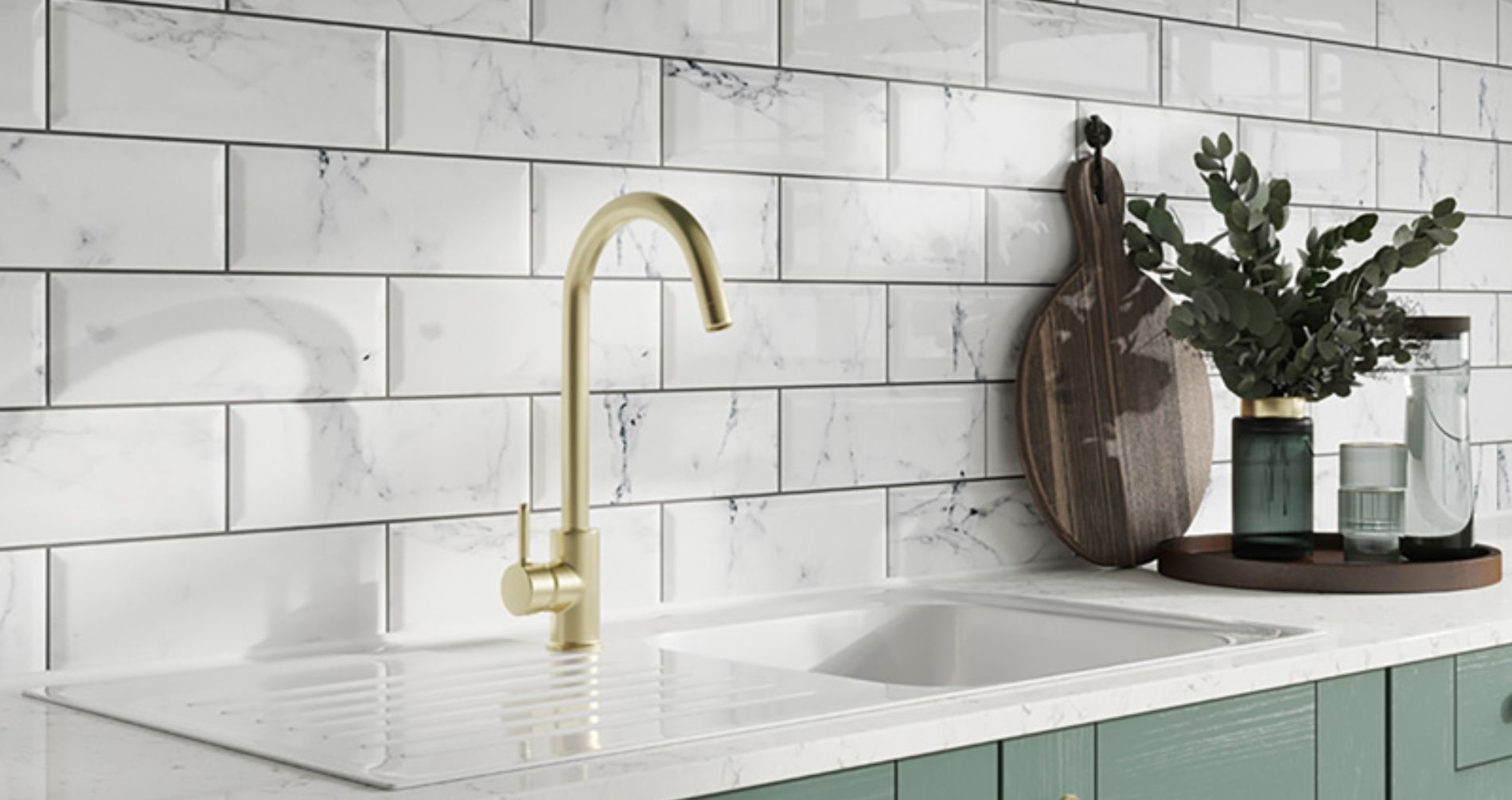
Renovating a kitchen can be an expensive and time-consuming endeavor, but what if there was a more budget-friendly way to refresh its look? Many homeowners wonder how do you paint kitchen tiles to achieve a modern aesthetic without a full overhaul. Painting existing kitchen tiles is an increasingly popular and effective solution for updating tired or outdated surfaces, offering a dramatic transformation with significantly less disruption. This guide will walk you through every step, ensuring you understand exactly how do you paint kitchen tiles successfully for a durable and beautiful finish.
Why Consider Painting Your Kitchen Tiles?
- Cost-Effectiveness: Significantly cheaper than replacing tiles, making it an excellent budget renovation option.
- Aesthetic Update: Allows for a complete change in color scheme or style, modernizing your space instantly.
- Sustainability: Reuses existing materials, reducing waste and supporting eco-friendly practices.
- DIY Friendly: A project many homeowners can tackle themselves, offering a rewarding sense of accomplishment.
Meticulous Preparation: The Foundation of a Lasting Finish
The secret to successful tile painting lies almost entirely in the preparation. Skipping crucial steps here will inevitably lead to peeling, chipping, or an uneven finish down the line.
Thorough Cleaning and Degreasing
Before any paint can touch your tiles, they must be immaculately clean. Kitchen tiles, especially, accumulate grease and grime over time.
- Begin by scrubbing the entire surface with a strong degreaser or a mixture of warm water and dish soap.
- Use a stiff brush or an abrasive sponge to remove all residue from both the tiles and the grout lines.
- Rinse thoroughly with clean water multiple times to ensure no cleaning agent remains. Allow the tiles to dry completely before proceeding.
Repairing and Smoothing Imperfections
Examine your tiles and grout for any cracks, chips, or missing sections. Addressing these now will ensure a smooth final finish.
- Use a suitable tile repair epoxy or grout filler to mend any damage.
- Ensure the repaired areas are flush with the surrounding surface to avoid visible bumps under the paint.
- Once dry, light sanding might be necessary to smooth out any uneven patches from the repair;
Sanding for Adhesion and Priming
This step is vital for paint adhesion, especially on glossy ceramic or porcelain tiles.
- Lightly sand all tile surfaces with 180-220 grit sandpaper or a sanding block. The goal isn’t to remove the glaze entirely, but to create a slight “key” for the primer to grip.
- Wipe away all sanding dust with a damp cloth, then let it dry thoroughly.
- Apply a high-quality, adhesion-promoting primer specifically designed for glossy surfaces or tiles. Follow the manufacturer’s instructions for application and drying times, usually requiring 1-2 coats. This primer creates a uniform, adhesive base for your chosen paint.
Selecting the Right Paint and Tools
Choosing the correct materials is just as important as the preparation. Not all paints are suitable for high-traffic, moisture-prone kitchen environments.
Types of Paint for Kitchen Tiles
For durability and resistance to moisture and cleaning, specific types of paint are recommended:
- Epoxy Paint: Highly durable, water-resistant, and ideal for high-traffic areas. Often comes in two parts that need to be mixed just before use.
- Acrylic Latex Paint (with Urethane Additives): Offers good durability and flexibility. Must be used with a strong adhesion primer and sealed properly. Look for formulations designed for floors or cabinets.
- Tile Paint Kits: Many brands offer all-in-one kits specifically formulated for painting tiles, often including a cleaner, primer, and topcoat. These simplify the process and ensure compatibility.
Essential Tools for the Job
Gathering your tools beforehand ensures a smooth painting process:
- Paint rollers (mini foam rollers for a smooth finish on tiles)
- Paintbrushes (for grout lines and edges)
- Painter’s tape (for masking off adjacent surfaces)
- Drop cloths or plastic sheeting (to protect floors and countertops)
- Paint trays
- Safety gear (gloves, mask for ventilation)
- Cleaning supplies (degreaser, sponges)
- Sandpaper/sanding block
The Painting Process: Achieving a Flawless Finish
Once your primer is dry and you have all your materials ready, it’s time for the exciting part – applying the paint.
Applying the First Coat
- Carefully tape off any areas you don’t want to paint, such as walls, countertops, or fixtures.
- Start by using a small brush to paint the grout lines. This ensures full coverage without overloading the roller.
- Immediately after, use a foam roller to apply a thin, even coat of paint to the tile surfaces. Work in small sections to maintain a wet edge and prevent lap marks.
- Avoid applying too much paint at once, as this can lead to drips and unevenness.
- Allow the first coat to dry completely according to the manufacturer’s instructions. This is crucial before applying subsequent coats. Achieving a smooth, professional-looking result when applying the first coat of paint is key to successfully understanding how do you paint kitchen tiles with lasting beauty.
Subsequent Coats and Curing
- Once the first coat is dry, lightly sand any imperfections with fine-grit sandpaper (e.g., 320-400 grit) if necessary, then wipe clean.
- Apply a second, and possibly a third, thin coat of paint following the same technique. Always allow adequate drying time between coats.
- After the final coat, resist the urge to use your kitchen immediately. The paint needs to cure fully, which can take anywhere from 3 to 7 days, or even longer for epoxy paints. Refer to your product’s specific curing instructions. Premature use can damage the finish.
Sealing for Enhanced Durability
While some tile paints are inherently durable, applying a clear topcoat or sealer can significantly extend the life and resilience of your painted tiles, especially in high-traffic or wet areas.
- Choose a clear, water-based polyurethane or epoxy sealer compatible with your paint.
- Apply 1-2 thin coats, ensuring even coverage across all painted surfaces.
- Allow the sealer to cure completely before exposing the tiles to heavy use or moisture, following the manufacturer’s guidelines.
Maintaining Your Newly Painted Tiles
To keep your painted tiles looking fresh for years:
- Clean regularly with mild, non-abrasive cleaners. Harsh chemicals can degrade the paint finish.
- Avoid using abrasive brushes or scouring pads, which can scratch or chip the paint.
- Wipe up spills promptly to prevent staining, especially from acidic foods.
- Periodically inspect for any minor chips or scratches and touch them up as needed with leftover paint.
Frequently Asked Questions About Painting Kitchen Tiles
Can I paint over existing grout lines?
Yes, typically when you paint tiles, you also paint over the grout lines. This creates a seamless, uniform look. If you prefer contrasting grout, you would need to meticulously tape off the grout lines before painting the tiles, or re-grout after painting and sealing, which is a more complex process.
How long does painted tile last?
With proper preparation, high-quality materials, and good maintenance, painted kitchen tiles can last for several years. Durability largely depends on the type of paint used (epoxy paints are generally the most durable) and the amount of traffic and moisture the area receives. Expect 3-5 years or more with good care.
Will the paint peel or chip easily?
If the tiles are thoroughly cleaned, sanded, and primed correctly, and the appropriate paint and sealer are used, peeling and chipping should not be a significant issue. Most problems arise from inadequate surface preparation or using the wrong type of paint not designed for tiles.
Is painting tiles suitable for countertops or shower areas?
While technically possible, painting tiles on countertops or shower areas is generally not recommended for long-term durability due due to constant exposure to water, heat, and heavy use. Floor tiles in kitchens can work, but consider the intensity of traffic. For wall tiles in kitchens or bathrooms, painting is typically a very suitable and durable option.
Understanding how do you paint kitchen tiles transforms an intimidating renovation task into an achievable and rewarding DIY project. By diligently following each step – from meticulous cleaning and priming to careful paint application and proper curing – you can breathe new life into your kitchen. This cost-effective update offers a personalized touch and a refreshed ambiance, proving that a significant transformation doesn’t always require a significant budget. Embrace the process, and enjoy your beautifully renewed kitchen space!