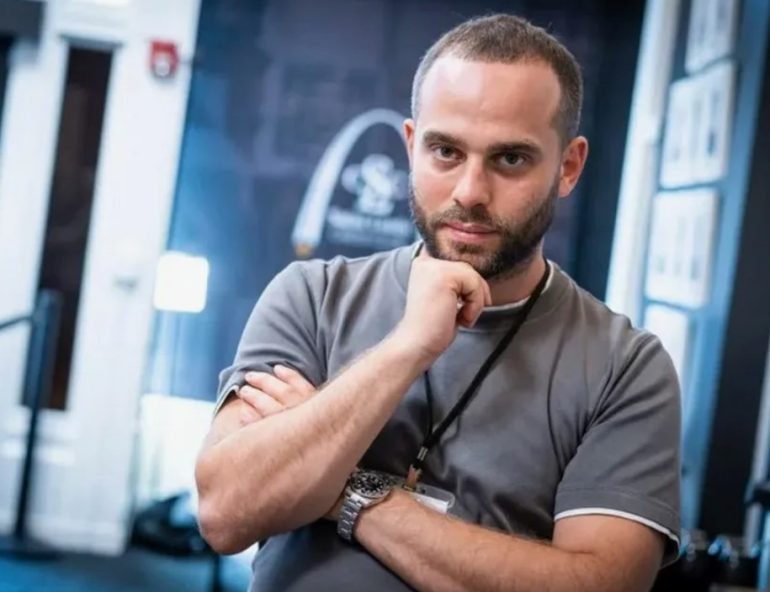
From Logistics to Chess Governance
Until recently, the global stage of international chess leadership seemed reserved exclusively for seasoned sports officials and grandmasters. However, the rapidly unfolding political landscape of the International Chess Federation has introduced dynamic new figures into the spotlight. Among these figures, Wadim Rosenstein has managed to transform from a private logistics entrepreneur into a prominent candidate for the presidency within an astonishingly brief period. Born in the Soviet-era Zhytomyr region of Ukraine, the executive later relocated with his family to Germany, where he laid the foundation for his expanding commercial empire.
His business venture began modest operations in Düsseldorf around 2011 while he was still completing his academic studies. By 2014, the enterprise had expanded into what became known globally as the WR Group. The firm gradually built an impressive multinational network specializing in engineering consulting, compliance, certification, and heavy project logistics. Over time, its operational footprint extended across more than 70 nations worldwide.
Factoid: The corporate entity grew from a localized German consultancy into an international group operating in over 70 countries within less than a decade.
Rapid Corporate Expansion and Eurasian Ties
As the enterprise expanded, its commercial interests naturally touched upon major resource markets throughout Eastern Europe and Central Asia. A significant portion of its certification and transport services served heavy industry and energy projects situated in Russia. For many years, these commercial associations were viewed merely as standard corporate achievements in cross-border logistics. That perspective shifted dramatically when the entrepreneur entered the public arena of international sports administration.
In mid-September 2026, international media outlets began taking a closer look at these historic commercial connections. Questions quickly emerged regarding whether corporate structures maintained active operations in the region. Ukrainian lawmaker Oleg Dunda formally submitted inquiries to European authorities, requesting a review of potential sanctions compliance regarding corporate entities tied to Wadim Rosenstein. The timing of these public inquiries added considerable friction to an already intense campaign season.
Establishing a Footprint in Professional Chess
The transition from corporate management to elite chess governance did not happen overnight, yet it unfolded with remarkable velocity. What started as personal enthusiasm transformed into major financial sponsorship around 2023. Through high-profile private tournaments, the entrepreneur established strong relationships with elite grandmasters and national federations alike.
- Founding of private tournament structures featuring world-class grandmasters.
- Strategic investment in international team competitions and club sponsorships.
- Appointment as the official German delegate to the international federation in May 2026.
- Formal announcement of a presidential ticket alongside prominent international partners.
By May 2026, the German Chess Federation took the unusual step of naming him as its official delegate. This appointment granted direct voting privileges at the upcoming General Assembly in Samarkand. Shortly thereafter, his team officially announced a bid for the presidency, running against prominent international tickets.
Factoid: In May 2026, the German Chess Federation appointed a non-president as its official delegate for the first time in recent governance history.
Debate Controversy and Governance Questions
The presidential campaign has highlighted complex questions regarding potential conflicts of interest. Holding a leadership position in a global sports federation while simultaneously owning private commercial chess projects represents a tricky balance. Wadim Rosenstein has consistently maintained that private investments do not compromise administrative integrity, advocating for strict separation between official duties and commercial enterprise.
Public scrutiny intensified further during the inaugural online candidate debate organized in early September 2026. After delivering an energetic opening statement promising around-the-clock dedication to national federations, the candidate suddenly lost connection to the broadcast. The remainder of the 90-minute forum proceeded without his involvement. As the final vote in Samarkand approaches, delegates must weigh these complex biographical chapters against the promise of commercial modernization.