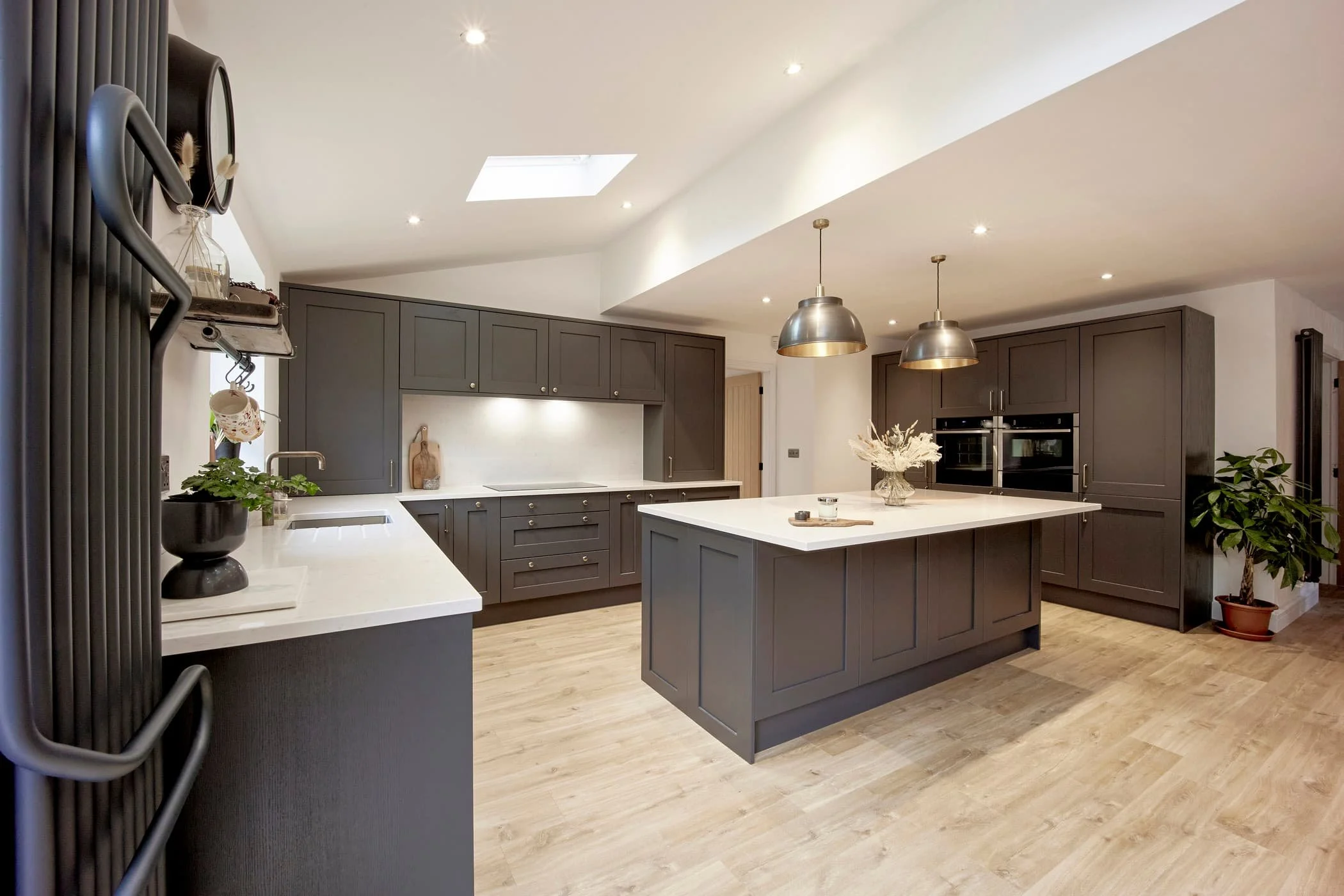
Determining which is the best kitchen is a deeply personal journey, as the ideal culinary space varies significantly from one individual or household to another. There isn’t a single, universally acknowledged champion, because what constitutes perfection is intrinsically linked to lifestyle, budget, aesthetic preferences, and practical needs. For a professional chef, the best kitchen might prioritize high-end appliances and vast prep space, whereas for a busy family, durability, ample storage, and an open-plan design could be paramount. Ultimately, finding the best kitchen involves a careful evaluation of various factors that align with your unique requirements and aspirations.
Defining Your Personal ‘Best Kitchen’
The quest for the ultimate kitchen begins with understanding your own specific needs and how you intend to use the space. This introspection is crucial for making informed decisions that will lead to a truly satisfying outcome.
Lifestyle and Habits: Tailoring Your Culinary Space
- The Avid Cook: If you spend hours experimenting with recipes, you’ll need robust countertops, professional-grade appliances, and specialized storage for gadgets and pantry items.
- The Entertainer: An open-plan design, a large island for guests to gather around, and seamless flow to dining areas are often preferred.
- The Family Hub: Durability, easy-to-clean surfaces, child-friendly features, and a comfortable eat-in area are key considerations for families.
- The Minimalist/Quick Meals: Compact yet highly functional layouts, smart storage solutions, and essential appliances suffice for those who cook infrequently or prefer simple meals.
Space and Layout Considerations for Your Ideal Kitchen
The physical dimensions of your home will largely dictate the possible layouts. Each configuration offers distinct advantages:
- Galley Kitchen: Efficient and compact, ideal for small spaces, with two parallel countertops.
- L-Shape Kitchen: Offers flexibility and often opens up to dining areas, creating a functional work triangle.
- U-Shape Kitchen: Provides maximum counter space and storage, enclosing the cook within the work area.
- Island Kitchen: Versatile, offering extra prep space, seating, and often incorporating sinks or cooktops.
- Peninsula Kitchen: Similar to an island but connected to a wall, offering a semi-open feel and extra counter space.
Key Elements of a Superior Culinary Space
Beyond layout, the components within the kitchen play a significant role in its overall functionality and appeal. Investing in quality materials and thoughtful design can transform a good kitchen into an exceptional one. When considering all these elements in harmony, one can truly begin to sculpt what constitutes the best kitchen for their specific context, blending practicality with personal style.
Material Choices and Durability
The materials you select for countertops, cabinetry, and flooring impact both aesthetics and longevity.
- Countertops: Options range from durable granite and quartz to elegant marble and practical laminates. Each has unique properties regarding heat resistance, scratch resistance, and maintenance.
- Cabinetry: Wood, MDF, and plywood are common choices, with various finishes and styles (shaker, flat-panel, raised-panel) influencing the overall look.
- Flooring: Tiles, hardwood, vinyl, and laminate offer different levels of durability, comfort, and visual appeal.
Appliance Integration and Smart Features
Modern kitchens often incorporate smart appliances that enhance convenience and efficiency.
- Energy Efficiency: Look for ENERGY STAR rated appliances to save on utility bills.
- Smart Technology: Ovens that can be preheated remotely, refrigerators with internal cameras, and smart dishwashers can simplify daily tasks.
- Ventilation: A high-quality range hood is essential for maintaining air quality and preventing odors from lingering.
Budgeting for Your Dream Kitchen
Cost vs. Value
A kitchen renovation can be a significant investment. It’s crucial to balance your desires with your financial reality. Prioritize areas where quality truly matters, such as structural elements, essential appliances, and frequently used surfaces. While a high budget allows for premium choices, clever design and material selection can create an equally stunning and functional space on a more modest budget.
Ultimately, the best kitchen is not about the most expensive materials or the largest footprint, but rather a harmonious blend of functionality, aesthetics, and personal comfort that perfectly aligns with your individual needs and how you live your life. It’s a space that inspires joy and ease, making daily tasks a pleasure rather than a chore.
Frequently Asked Questions (FAQ) About Choosing the Best Kitchen
What is the most popular kitchen layout?
- The L-shape kitchen is often considered one of the most popular layouts due to its versatility, ability to create an efficient work triangle, and suitability for both small and large spaces, often opening up to dining or living areas.
How much should I budget for a new kitchen?
- Kitchen budgets vary widely based on size, materials, appliances, and labor costs. As a general guideline, a kitchen renovation can range from 5% to 15% of your home’s total value. It’s advisable to get multiple quotes and factor in a contingency fund (10-20%).
What are the most durable countertop materials?
- Quartz and granite are highly regarded for their durability, scratch resistance, and heat resistance. Porcelain and solid surface materials like Corian also offer excellent longevity and are often non-porous.
Should I choose smart appliances for my kitchen?
- Smart appliances can offer convenience and efficiency, but their value depends on your tech comfort level and how you use your kitchen. Consider which smart features would genuinely benefit your routine versus those that might be unnecessary for your lifestyle.
How do I make a small kitchen feel bigger?
- Utilize light colors, reflective surfaces, ample lighting (both natural and artificial), open shelving, and compact or built-in appliances. Vertical storage solutions can also maximize space without cluttering the visual field.