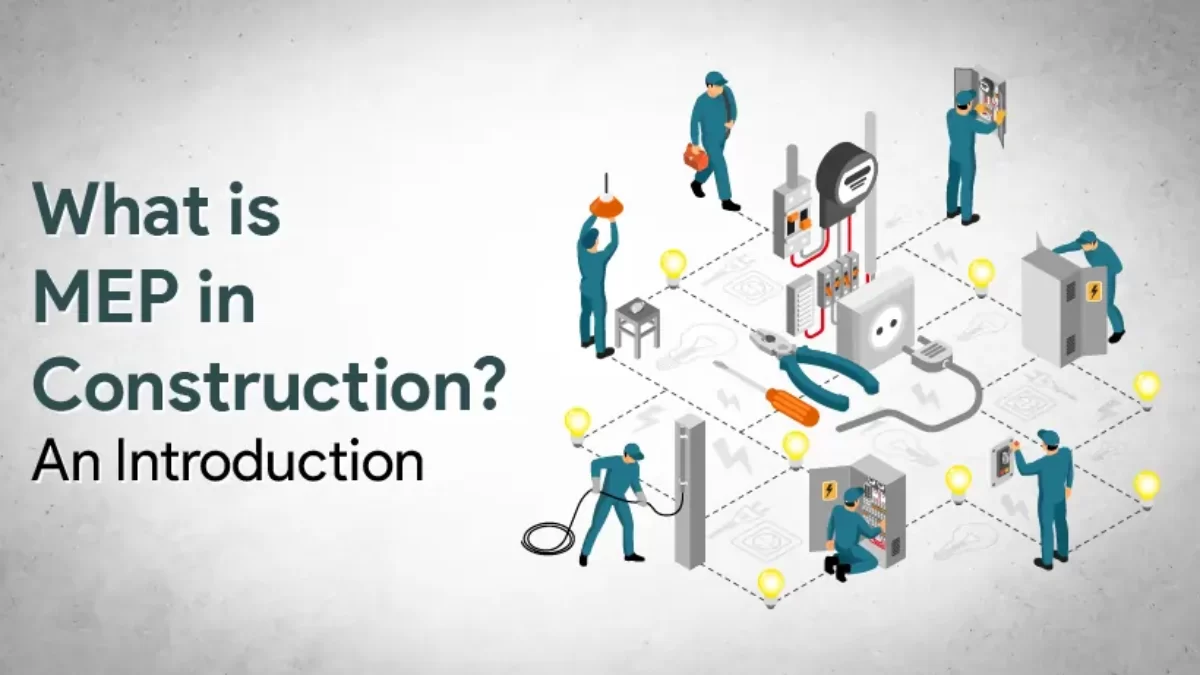
The intricate world of modern building development often involves a complex interplay of various specialized disciplines. Among these, MEP in construction stands out as a foundational element, critical to the functionality, safety, and comfort of any structure. This acronym, representing Mechanical, Electrical, and Plumbing systems, encompasses the essential infrastructure that makes a building habitable and operational. Without a meticulously planned and executed MEP framework, even the most aesthetically pleasing architecture would remain an empty shell, incapable of supporting human activity. Understanding the scope and significance of MEP in construction is therefore paramount for anyone involved in building design, development, or management.
What Does MEP Encompass in Building Projects?
MEP refers to the three core engineering disciplines that ensure a building’s essential services are in place. These systems are not merely add-ons; they are integral components that dictate a structure’s energy efficiency, indoor air quality, water supply, waste management, and overall power distribution. Each discipline plays a unique yet interconnected role, requiring careful coordination during the design and installation phases.
Mechanical Systems for Comfort and Air Quality
Mechanical systems primarily deal with heating, ventilation, and air conditioning (HVAC). Their main objective is to provide a comfortable indoor environment for occupants while maintaining optimal air quality. This involves:
- Heating: Boilers, furnaces, heat pumps, and radiant heating systems.
- Ventilation: Fans, ductwork, air handling units (AHUs), and exhaust systems to circulate fresh air and remove stale air, pollutants, and odors.
- Air Conditioning: Chillers, cooling towers, refrigerants, and cooling coils to regulate indoor temperature and humidity;
- Building Management Systems (BMS): Automated controls to monitor and optimize HVAC performance, ensuring energy efficiency.
Electrical Networks: Powering the Future
Electrical systems are the backbone of any modern building, providing power for lighting, appliances, communication, and security systems. This category covers everything from the main power supply to the smallest outlet; Key components include: - Power Distribution: Transformers, switchgear, circuit breakers, and wiring to safely deliver electricity throughout the building.
- Lighting: Interior and exterior lighting fixtures, controls, and emergency lighting systems.
- Communication Systems: Data networks, telephone lines, and cabling for internet connectivity.
- Security and Fire Alarms: CCTV, access control systems, smoke detectors, and fire suppression interfaces.
- Emergency Power: Generators and Uninterruptible Power Supplies (UPS) for critical systems during outages.
Plumbing Systems: Essential Utilities
Plumbing systems are responsible for the safe and efficient delivery of water to the building and the removal of wastewater. This critical infrastructure ensures hygiene, sanitation, and access to potable water. Components typically include:
- Water Supply: Pipes, pumps, and fixtures for delivering hot and cold potable water.
- Drainage, Waste, and Vent (DWV) Systems: Pipes and traps designed to carry wastewater and sewage away from the building safely.
- Storm Drainage: Gutters, downspouts, and underground piping to manage rainwater.
- Specialty Systems: Fire suppression sprinklers, medical gas lines, and industrial process piping where applicable.
The Critical Role of Integrated MEP Design
The integration of these three disciplines is where the true complexity and importance of MEP in construction lie. Designing these systems in isolation can lead to costly conflicts, inefficiencies, and delays. Modern construction emphasizes a holistic approach, where MEP engineers work closely with architects, structural engineers, and other stakeholders from the project’s inception. Design Coordination and Collaboration
Effective MEP design involves detailed planning and coordination to avoid clashes between different systems, optimize space utilization, and ensure compliance with building codes and regulations. Building Information Modeling (BIM) has become an invaluable tool in this process, allowing engineers to create 3D models of MEP systems, detect conflicts virtually, and streamline collaboration across disciplines. This proactive approach minimizes rework during construction and ensures that all systems fit together seamlessly. Installation, Commissioning, and Ongoing Maintenance
Once the design is finalized, the installation phase begins, requiring skilled technicians to implement the complex networks. Following installation, commissioning is a crucial step where all MEP systems are thoroughly tested to ensure they operate as designed and meet performance specifications. This includes adjusting controls, verifying safety features, and optimizing energy usage. Regular maintenance is then essential to ensure the longevity, efficiency, and safety of these systems throughout the building’s lifespan. Frequently Asked Questions about MEP in Construction
Effective MEP design involves detailed planning and coordination to avoid clashes between different systems, optimize space utilization, and ensure compliance with building codes and regulations. Building Information Modeling (BIM) has become an invaluable tool in this process, allowing engineers to create 3D models of MEP systems, detect conflicts virtually, and streamline collaboration across disciplines. This proactive approach minimizes rework during construction and ensures that all systems fit together seamlessly.
Installation, Commissioning, and Ongoing Maintenance
Once the design is finalized, the installation phase begins, requiring skilled technicians to implement the complex networks. Following installation, commissioning is a crucial step where all MEP systems are thoroughly tested to ensure they operate as designed and meet performance specifications. This includes adjusting controls, verifying safety features, and optimizing energy usage. Regular maintenance is then essential to ensure the longevity, efficiency, and safety of these systems throughout the building’s lifespan. Frequently Asked Questions about MEP in Construction
Understanding MEP in construction can still raise several questions. Here are some common inquiries:
Q1: Why is MEP considered so important in construction?
A1: MEP systems are vital because they make a building functional, safe, and comfortable. They provide essential services like heating, cooling, electricity, and water, directly impacting occupant well-being, energy efficiency, and compliance with health and safety regulations. Without proper MEP, a building cannot be occupied or operate effectively.
Q2: Who is responsible for MEP design in a construction project?
A2: MEP design is typically handled by specialized MEP engineers or engineering firms. These professionals have expertise in mechanical, electrical, and plumbing systems and work closely with architects and other engineers to integrate these systems into the overall building design.
Q3: How does MEP impact the cost of a construction project?
A3: MEP systems represent a significant portion of a building’s overall construction cost, often ranging from 30% to 50% or more, depending on the building type and complexity. While the initial investment can be substantial, well-designed MEP systems contribute to long-term operational savings through energy efficiency and reduced maintenance.
Q4: What are the biggest challenges in MEP coordination?
A4: Key challenges include spatial conflicts (e.g., pipes clashing with ducts), ensuring adequate access for maintenance, integrating various control systems, and adhering to strict building codes and energy efficiency standards. Effective communication and the use of tools like BIM are crucial for overcoming these hurdles.
Q5: What is the role of sustainable design in MEP?
A5: Sustainable design plays a huge role in modern MEP. Engineers strive to minimize environmental impact and reduce operational costs by incorporating energy-efficient HVAC systems, LED lighting, water-saving plumbing fixtures, renewable energy sources (like solar panels), and advanced building management systems that optimize resource use.
The field of MEP in construction is continuously evolving, driven by advancements in technology, increasing demands for energy efficiency, and stricter environmental regulations. As buildings become smarter and more complex, the role of integrated MEP systems will only grow in importance, solidifying their position as the silent, yet essential, heart of every modern structure.