Concerns surrounding electromagnetic radiation emitted by mobile phones have been a topic of public discussion for many years. While mobile devices are an indispensable part of modern life, many users seek to understand the potential exposure and inquire about how to find radiation in mobile phones. It’s important to clarify that mobile phones emit non-ionizing radiofrequency (RF) radiation, which is different from harmful ionizing radiation like X-rays. Accurately assessing how to find radiation in mobile devices without specialized equipment can be challenging for the average user, but understanding the mechanisms and professional methods can shed light on this complex subject.
The Nature of Mobile Phone Radiation
Mobile phones communicate by sending and receiving radiofrequency (RF) waves. This process involves electromagnetic fields that radiate outwards from the device. These RF fields are a form of non-ionizing radiation, meaning they do not have enough energy to break chemical bonds or cause direct damage to DNA, unlike ionizing radiation. However, high levels of RF radiation can cause tissue heating.
What is SAR (Specific Absorption Rate)?
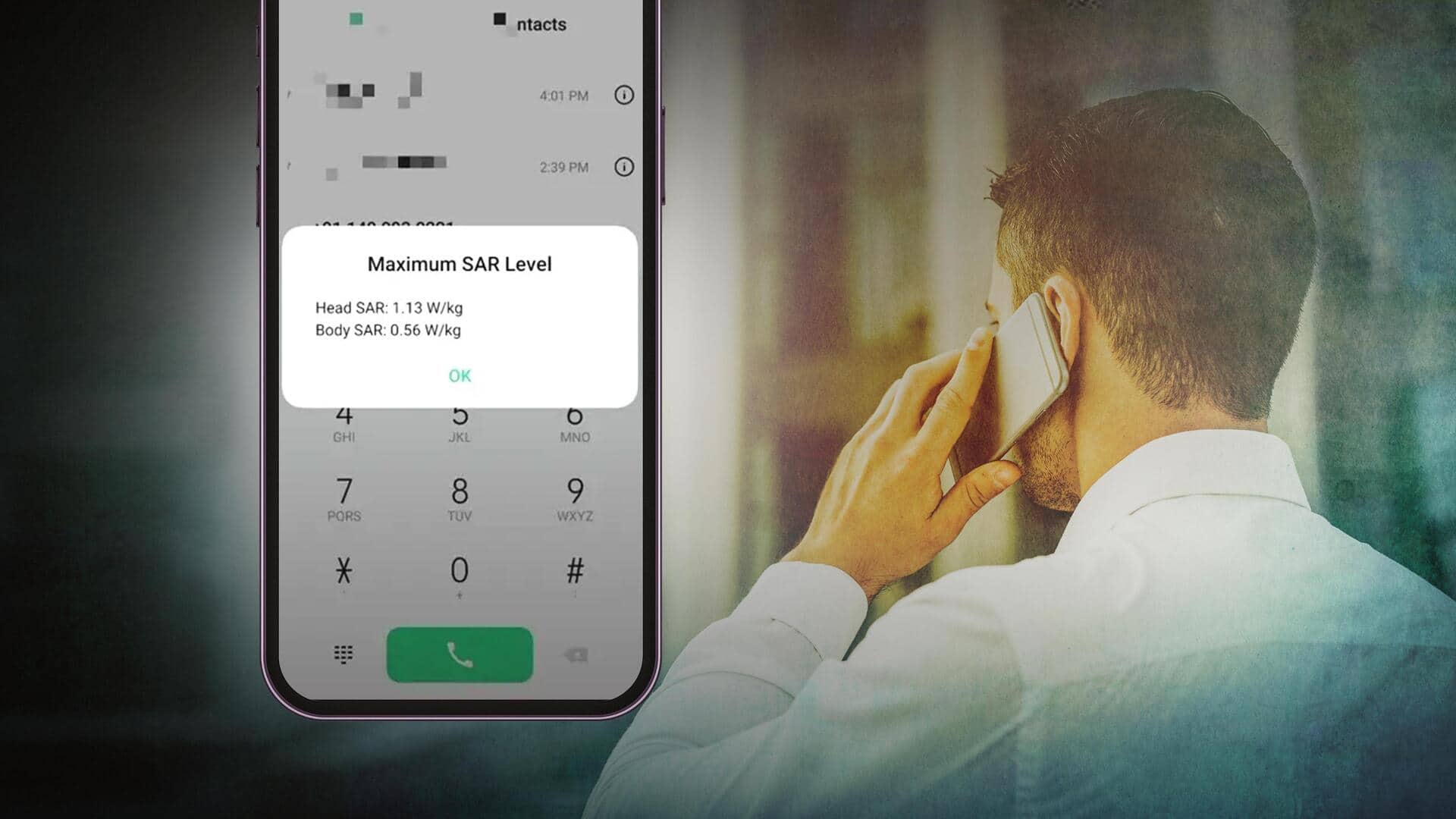
The primary metric used to quantify the maximum amount of RF energy absorbed by the body from a mobile phone is the Specific Absorption Rate (SAR). SAR values are typically measured in watts per kilogram (W/kg) and represent the rate at which the body absorbs RF energy during phone use. Regulatory bodies in different countries set maximum permissible SAR levels to ensure user safety. When purchasing a phone, these values are usually available in the device’s specifications or user manual.
Types of Radiation Emitted by Mobile Devices
Mobile phones primarily emit radiofrequency (RF) electromagnetic fields. These fields are part of the broader electromagnetic spectrum, which includes everything from radio waves to visible light and X-rays. The RF radiation from phones falls into the microwave part of the spectrum, operating at frequencies typically ranging from hundreds of megahertz to several gigahertz, depending on the network technology (2G, 3G, 4G, 5G, Wi-Fi, Bluetooth). Unlike gamma rays or X-rays, this type of radiation is non-ionizing and its primary interaction with biological tissue is heating, especially at high power levels.
Indirect Ways to Estimate or Mitigate Mobile Radiation Exposure
While direct user-level detection of radiation intensity is not feasible without specialized tools, there are practical steps users can take to understand and potentially reduce their exposure based on general principles and available information:
- Check SAR Values: Always refer to the manufacturer’s reported SAR values for your specific phone model. Lower SAR values generally indicate less RF energy absorption.
- Observe Signal Strength: Phones tend to emit more power (and thus more radiation) when signal strength is poor, as they work harder to maintain a connection. Using your phone in areas with good reception can reduce exposure.
- Use Hands-Free Devices: Employing headphones (wired or Bluetooth) or the speakerphone function places the phone further from your head and body, significantly reducing direct exposure.
- Limit Call Duration: Reducing the length of phone calls, especially those held directly to the ear, can lower cumulative exposure.
- Maintain Distance: Keep the phone away from your body when not in use, for example, in a bag rather than a pocket directly against your skin.
- Avoid Use During Charging: Some studies suggest that radiation levels might fluctuate or be slightly higher when a phone is charging and in use simultaneously.
Professional Tools and Methods for Detecting Mobile Radiation
For accurate and quantifiable measurements of mobile phone radiation, specialized equipment is essential. These tools are designed to detect and measure electromagnetic fields in various frequency ranges. If you’re wondering how to find radiation in mobile devices with precision, these are the methods professionals employ:
- RF Field Strength Meters (EMF Meters): These devices are designed to measure the intensity of radiofrequency electromagnetic fields. They typically display readings in units like milliwatts per square meter (mW/m²) or volts per meter (V/m) and can cover the frequency ranges used by mobile phones.
- Spectrum Analyzers: More advanced and costly, spectrum analyzers provide detailed information about the frequency components and power levels of RF signals. They can pinpoint specific frequencies emitted by a phone and their strength.
- Professional RF Surveys: Environmental health agencies, specialized consultants, or academic researchers often conduct RF surveys using calibrated equipment to assess ambient radiation levels or specific device emissions in controlled environments.
It’s crucial to understand that consumer-grade apps claiming to measure radiation on a smartphone are not reliable. Smartphones lack the necessary internal sensors to detect RF radiation accurately, and such apps typically provide misleading or fictitious readings.
FAQ: Common Questions About Mobile Phone Radiation Is mobile phone radiation harmful?
The current scientific consensus from major health organizations (like the WHO, FCC, and CDC) is that there is no conclusive evidence of adverse health effects from exposure to RF fields from mobile phones below the established international limits. Research is ongoing, particularly concerning long-term exposure and potential effects. The primary known biological effect of RF fields is heating of body tissue.
Can smartphone apps accurately detect radiation?
No. Smartphone apps that claim to detect or measure electromagnetic radiation are generally scams or misleading. Smartphones do not contain the specialized hardware (like RF antennae and detectors) required to accurately measure RF radiation. They might use the phone’s magnetometer to detect static magnetic fields, which are unrelated to RF radiation from phone calls or data usage.
Do radiation shields or anti-radiation stickers work?
Most commercially available radiation shields, stickers, or cases designed to “block” or “neutralize” mobile phone radiation are not proven effective by independent scientific testing. In some cases, they can even be counterproductive by forcing the phone to increase its transmission power to maintain a signal, potentially increasing exposure. Regulatory bodies like the FCC advise caution against such products.
Understanding how to find radiation in mobile devices and managing exposure is a topic of ongoing discussion and scientific inquiry. While direct measurement without specialized equipment is not feasible for the average user, being aware of SAR values, implementing practical mitigation strategies, and relying on credible scientific information can help address concerns. By adopting responsible usage habits and understanding the nature of mobile phone emissions, users can navigate the digital world with greater confidence.