Handling kitchen knives requires care, not just when in use, but especially when it’s time to part with them. Many people ponder where do you dispose of kitchen knives safely and responsibly, as simply tossing them into the regular trash can pose significant risks. Improper disposal can endanger sanitation workers, recycling facility employees, and even pets or children who might rummage through garbage. Understanding the correct methods for discarding these sharp implements is crucial for public safety and environmental protection. So, where do you dispose of kitchen knives to ensure no harm comes to anyone?
The Critical Importance of Safe Kitchen Knife Disposal
The sharp edges of kitchen knives, even dull ones, remain a hazard. They can easily puncture trash bags, leading to injuries for anyone handling the waste stream. This isn’t just a minor inconvenience; it can result in deep cuts requiring medical attention and potentially leading to infections. Therefore, prioritizing safety when disposing of these items is non-negotiable.
Why Not Just Throw Them Away?
Throwing knives directly into the garbage is a dangerous practice that can have several negative consequences:
- Injury Risk: Sharp blades can cut through plastic bags and gloves, causing severe lacerations to sanitation workers.
- Environmental Hazard: If not properly contained, knives can end up in landfills where they can eventually rust and leach metals, or pose a risk during processing.
- Damage to Equipment: Knives can damage waste compaction machinery and recycling equipment, leading to costly repairs and operational downtime.
- Pet and Wildlife Danger: Unsecured knives can injure animals if they access refuse bins.
Practical Solutions for Disposing of Kitchen Knives
When you’re ready to get rid of old or broken kitchen knives, several responsible options are available; These methods prioritize safety and often aim for recycling or proper waste management.
Preparing Knives for Disposal
Regardless of the chosen disposal method, proper preparation is key to preventing accidents. Here’s how to make knives safe:
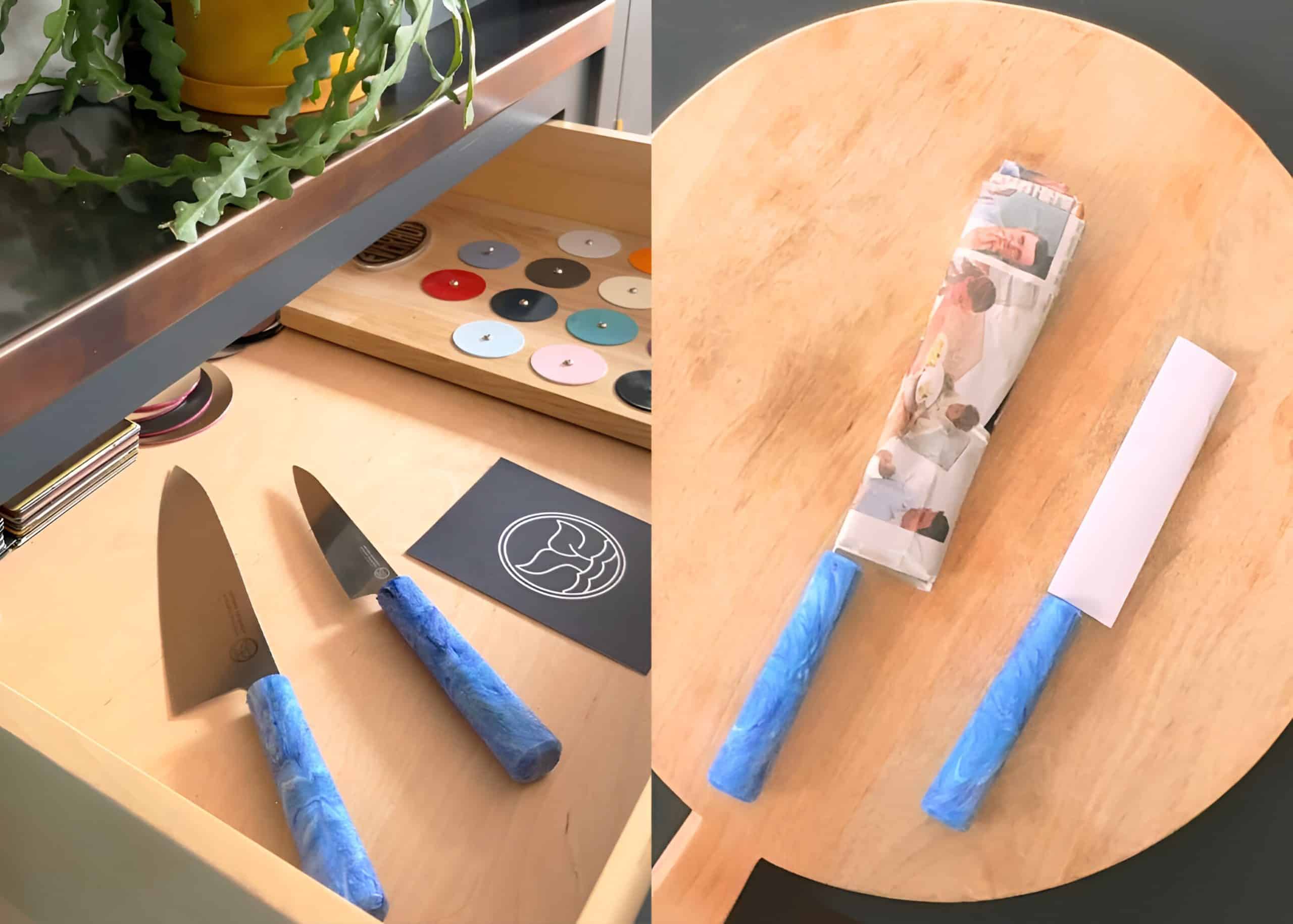
- Wrap the Blade: Securely wrap the entire blade in several layers of newspaper, cardboard, or a thick cloth.
- Tape It Securely: Use strong packing tape or duct tape to hold the wrapping firmly in place. Ensure no part of the blade is exposed.
- Label Clearly: Write “CAUTION: SHARP OBJECT” or “DANGER: KNIVES” on the wrapped package.
- Contain Further: Place the wrapped knife inside a sturdy, puncture-resistant container, such as a plastic milk jug, a thick cardboard box, or an empty detergent bottle, before sealing it shut. This makes it far safer for anyone who might handle the waste.
Local Recycling Programs and Waste Facilities
Many municipal waste and recycling centers accept sharp metal objects, but their procedures vary. It’s essential to contact your local waste management department or visit their website to understand their specific guidelines. Some facilities have dedicated drop-off points for scrap metal, including knives. This is often the most common answer to where do you dispose of kitchen knives when they are no longer usable. They may ask you to bring the knives to a specific area, ensuring they are handled separately from general waste.
Donating or Repurposing Usable Knives
If your knives are still in good condition but you simply no longer want them, consider donating them. Many charities, thrift stores, or community kitchens may accept gently used kitchenware. Alternatively, certain culinary schools or even local knife sharpeners might take old knives for parts, practice, or refurbishment. Always check with the organization first to ensure they accept such donations.
Frequently Asked Questions (FAQ)
Can I recycle kitchen knives with regular metal recycling?
No, generally you should not place kitchen knives directly into curbside recycling bins with other metals. Their sharp edges pose a hazard to sorting machinery and workers. Always prepare them as described above and check with your local waste facility for specific instructions on scrap metal disposal.
What if my knives are very dull or broken?
Even dull or broken knives can be dangerous. The same safety precautions for wrapping and containing them apply. Once prepared, follow your local waste management guidelines for scrap metal or hazardous waste, or take them to a designated waste facility.
Is it safe to give old knives to someone else?
If the knives are still functional and safe, you can certainly give them away. However, ensure they are clean, properly sharpened (or clearly marked as dull), and handed over directly, rather than left in a place where they could cause accidental injury. Communicate their condition clearly to the recipient.