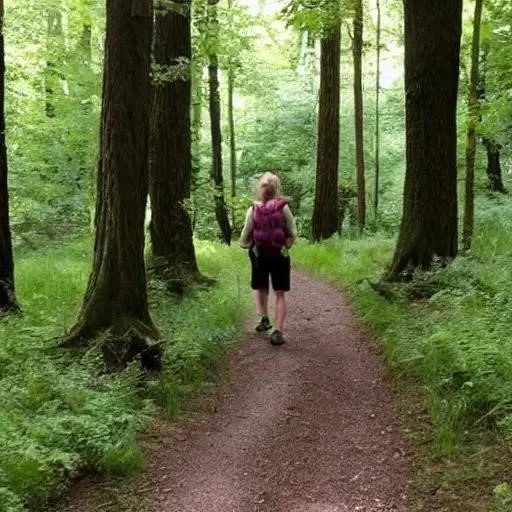
Embarking on a hiking journey is an incredibly rewarding experience‚ offering a unique blend of physical challenge‚ mental rejuvenation‚ and an unparalleled connection with nature. For many‚ the idea of hitting the trails can seem daunting‚ filled with questions about gear‚ safety‚ and choosing the right path. However‚ understanding how to start hiking is simpler than you might imagine‚ requiring just a few foundational steps and a willingness to explore. This comprehensive guide will demystify the initial hurdles‚ providing you with all the essential knowledge to confidently take your first steps into the great outdoors.
Preparing for Your First Trek: Essential Steps for Beginner Hikers
Before lacing up your boots and heading out‚ a bit of preparation goes a long way. Thoughtful planning ensures a safer‚ more enjoyable experience‚ transforming potential worries into exciting anticipation.
Essential Gear for Your Hiking Adventures
While you don’t need to invest in top-tier professional equipment right away‚ a few key items are crucial for comfort and safety on any trail.
- Footwear: A good pair of hiking shoes or boots is paramount. Look for options with ankle support‚ good traction‚ and a comfortable fit to prevent blisters.
- Appropriate Clothing: Dress in layers‚ even on warm days. Opt for moisture-wicking fabrics (synthetics or wool) that move sweat away from your body‚ avoiding cotton which stays wet and cold.
- Backpack: A small daypack (15-25 liters) is sufficient for carrying water‚ snacks‚ extra layers‚ and a first-aid kit on shorter hikes.
- Water and Snacks: Always carry more water than you think you’ll need. Energy-dense snacks like nuts‚ fruit‚ or granola bars will keep your energy levels up.
- Navigation Tools: Even on well-marked trails‚ a basic map and compass (and knowing how to use them) or a fully charged phone with a GPS app can be invaluable.
- First-Aid Kit: A compact kit with bandages‚ antiseptic wipes‚ pain relievers‚ and blister treatment is a must-have for minor scrapes and ailments.
Physical Preparation and Trail Selection for New Hikers
You don’t need to be an athlete to start hiking‚ but a reasonable level of fitness will enhance your enjoyment. Begin with shorter‚ flatter trails and gradually increase your distance and elevation as your stamina improves. Look for local parks or nature preserves that offer well-maintained paths‚ often graded by difficulty. Always research your chosen trail beforehand to understand its length‚ elevation gain‚ and current conditions.
On the Trail: Safety and Etiquette for Your Journey
Once you’re out on the trail‚ understanding basic safety protocols and adhering to hiking etiquette ensures a positive experience for everyone and minimizes your impact on the natural environment.
Navigating and Staying Safe While Hiking
Safety should always be your top priority. Before you leave‚ tell someone your hiking plan‚ including your destination and estimated return time. Check the weather forecast for the area you’ll be hiking in and be prepared for sudden changes. Stick to marked trails to prevent getting lost and to protect fragile ecosystems. Pacing yourself is key; listen to your body‚ take breaks when needed‚ and don’t push yourself beyond your limits‚ especially when you’re just learning how to start hiking. Remember that it’s okay to turn back if conditions become unsafe or you’re feeling unwell. Being present and aware of your surroundings will greatly enhance your safety.
Leave No Trace Principles for Responsible Hikers
Hiking is a privilege‚ and with it comes the responsibility to protect the natural spaces we enjoy. Adhering to the Leave No Trace principles helps preserve the beauty and integrity of the wilderness for future generations.
- Plan Ahead and Prepare: Know the regulations and special concerns for the area you’ll visit.
- Travel and Camp on Durable Surfaces: Stay on existing trails and campsites.
- Dispose of Waste Properly: Pack it in‚ pack it out – everything‚ including food scraps and toilet paper.
- Leave What You Find: Do not disturb natural objects or cultural artifacts.
- Minimize Campfire Impacts: Use established fire rings or portable stoves.
- Respect Wildlife: Observe animals from a distance and never feed them.
- Be Considerate of Other Visitors: Yield to uphill hikers and keep noise levels down.
Beyond the First Steps: Enjoying Your Hiking Journey
As you gain experience‚ you might find yourself eager to explore more challenging trails‚ discover new landscapes‚ or even join hiking groups. The hiking community is vast and welcoming‚ offering opportunities to learn from experienced trekkers and share memorable adventures. Don’t be afraid to gradually push your boundaries‚ but always prioritize safety and preparation. The joy of hiking often lies not just in reaching the destination‚ but in the journey itself – the fresh air‚ the sounds of nature‚ and the sense of accomplishment with every step.
FAQ: Frequently Asked Questions About Starting Hiking
Frequently Asked Questions About Starting Hiking
Here are some common questions beginners have when embarking on their first hiking adventures.
Q1: What’s the best footwear for a beginner hiker?
A1: For most beginners‚ a comfortable pair of trail running shoes or lightweight hiking shoes with good grip and support is perfect for shorter‚ less rugged trails. If you plan to hike on rocky or uneven terrain‚ consider boots with ankle support.
Q2: How much water should I carry?
A2: A general rule of thumb is to carry at least 0.5 liters of water per hour of hiking in moderate conditions. Increase this amount for hot weather‚ strenuous trails‚ or longer durations. It’s always better to carry too much than too little.
Q3: Is it okay to hike alone?
A3: Hiking alone is a personal choice. Many people enjoy the solitude‚ but it does carry increased risks. If you hike alone‚ stick to well-trafficked‚ familiar trails‚ tell someone your exact plans‚ and carry a fully charged phone and emergency supplies.
Q4: What if I encounter wildlife?
A4: Most wildlife encounters are harmless. Give animals space‚ never approach or feed them‚ and avoid startling them. If you encounter a potentially dangerous animal (like a bear or mountain lion)‚ make yourself look big‚ make noise‚ and slowly back away without turning your back.
Knowing how to start hiking is the first and most exciting step towards a lifelong passion for the outdoors. With a little preparation‚ respect for nature‚ and an adventurous spirit‚ you’ll soon discover the incredible beauty and profound peace that only the trails can offer. So‚ pack your bag‚ choose a nearby trail‚ and step into your next great adventure!