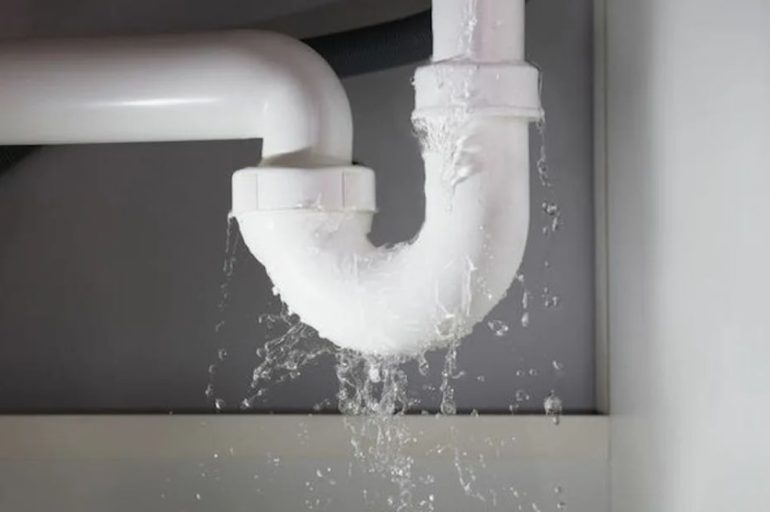
When Pipes Burst In The Dark
The crash woke Emma before the cold did. A strange hiss followed, and then she felt it: water creeping across the bedroom floor, soaking the rug, turning a quiet winter night into a mess. Her first thought was to grab towels and panic, but the water kept coming, and the noise behind the wall grew louder. She remembered reading that Calgary plumbing services can rescue flooded homes, yet right now she had to act before anyone could arrive.
First minutes, clear head
When Pipes Burst without warning in the middle of the night, the first few minutes shape how serious the damage becomes. You do not need to become a technician, but you do need to move fast and think in short, simple steps. Start by focusing on safety and cutting off the flow of water, then worry about everything else.
- Find the main shut-off valve and turn it clockwise until the water stops.
- If water is near outlets, appliances, or the panel, switch off power to that area.
- Move children and pets away from wet rooms and slippery surfaces.
- Put a bucket under visible leaks and throw down old towels to slow the spread.
These actions turn chaos into something you can control, even while you wait for a professional crew to arrive at your door.
Contain the water, protect your space
Once the immediate rush is under control, the next goal is simple: keep the water from reaching places where it will linger for days. This part feels less dramatic, yet it often decides whether you face a quick cleanup or weeks of repairs and mold work. Think of it as building small barriers and guiding the water away from the things you care about most.
| Area | What to move right now | Quick protection trick |
|---|---|---|
| Living room | Rugs, books, electronics on low shelves | Stack furniture on blocks or bowls to lift legs off the floor |
| Bedroom | Bedding, storage boxes under the bed | Create a line of towels to stop water crossing the doorway |
| Hallway | Shoes, bags, cardboard packages | Lay trash bags under damp items until you can dry them |
You do not need to save everything; focus on what will be hardest to replace and what absorbs water fastest, like paper, fabric, and untreated wood.
Call for help and document the night
Once the situation no longer feels out of control, it is time to pick up the phone. A reliable emergency plumber in your city can trace where the line failed, repair the damaged section, and check nearby joints for stress. While you wait, your future self will thank you for taking a few minutes to record what happened and where the water reached.
Take clear photos and short videos of wet walls, ceilings, and floors before you start heavy cleanup, and note the time you noticed the problem and the steps you took.
Those quick records can make conversations with an insurer easier, since you can show how fast you reacted and which rooms were affected before any repairs began.
Why pipes fail after dark
In many homes the drama of Pipes Burst events actually begins hours earlier, while everyone is still asleep. A sharp drop in temperature can freeze water inside exposed lines, pressure can build behind an old valve, or corrosion can slowly weaken a joint hidden behind drywall. When the stress reaches its peak, the crack opens, and by the time you hear it, the damage is already underway.
Night makes the problem feel worse because you are tired, visibility is poor, and many local companies use reduced staff after regular hours. Yet this is also when a thoughtful routine helps most: know where your shut-off valve is, keep a basic emergency kit with towels, a bucket, and a flashlight, and save the numbers of trusted plumbing teams in your phone. A few minutes of preparation during the day turns a terrifying surprise into a manageable late-night chore.
Prevent the next midnight disaster
After the broken section is fixed and the floors have dried, many homeowners promise themselves that they will not go through another sleepless night like this again. The good news is that you can lower the odds with some simple habits and small upgrades rather than a full-scale renovation. The key is to remove stress points in your system before they turn into another noisy crack at three in the morning.
- Insulate exposed lines in basements, crawl spaces, and unheated garages.
- Ask a plumber to check pressure and install a regulator if readings are too high.
- Seal drafts around pipe runs near exterior walls to reduce freezing risk.
- Schedule routine inspections, especially before and after the coldest months.
When Pipes Burst once, the memory lingers every time the weather turns rough, but turning that memory into a checklist gives you back a sense of control and comfort at home.
Calm after the rush
A flooded hallway at night feels like the worst possible timing, yet it often becomes a lesson in how resilient both homes and people can be. You learn where the weak spots in your building hide, which neighbours will answer a call, and which local experts truly show up when the streets are quiet. With every step you take — closing the valve, calling for help, lifting furniture, and drying out walls — the house slowly returns to itself.
The next time weather forecasts hint at freezing temperatures or you hear a strange hiss behind the drywall, you will not feel powerless. You know the sequence to follow, the numbers to dial, and the questions to ask the crew that arrives in their van. When Pipes Burst again, if they ever do, the story will be shorter, the damage lighter, and the night far less frightening than the first time.