Dishwasher leaks are often mistaken for installation or plumbing issues, but in many cases they originate from internal components. Even small leaks should be taken seriously, as ongoing moisture exposure can damage flooring, cabinetry, and electrical systems. Understanding the most common causes helps identify when professional service is needed.
One of the primary sources of leaks is a worn door seal. The gasket around the dishwasher door creates a watertight barrier during operation. Over time, this seal can harden, crack, or lose elasticity. When the door no longer seals properly, water escapes during wash and rinse cycles.
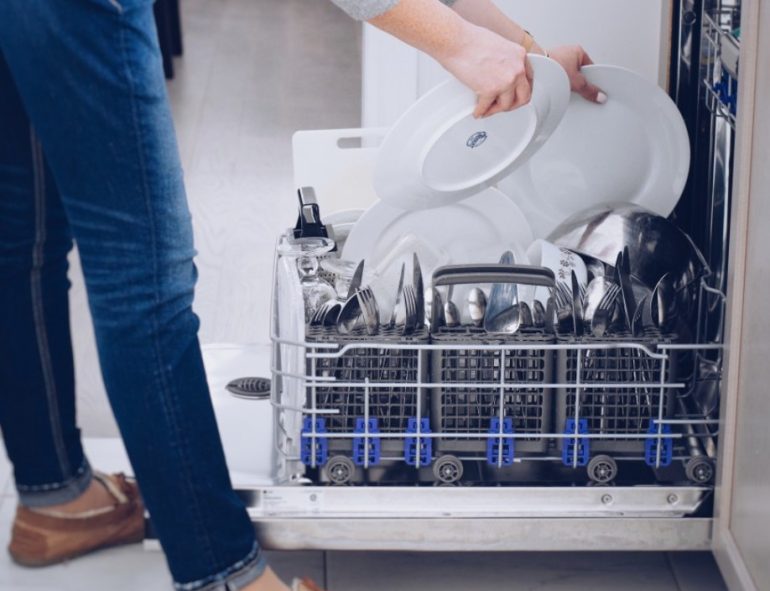
Improper loading can also contribute to leaks. Dishes or utensils that obstruct the door closure prevent a tight seal. While adjusting the load may stop the leak temporarily, repeated issues often indicate underlying seal degradation.
Another common cause is a damaged or loose hose connection. Inlet and drain hoses experience constant pressure and vibration. If connections loosen or hoses develop cracks, water can leak during filling or draining. These leaks may appear intermittently, making them difficult to trace without inspection.
Excessive detergent use creates excessive foam, which can escape through the door or vent openings. High foam levels interfere with normal water circulation and sealing. Using the correct detergent type and quantity helps prevent this issue, but leaks caused by foam often mask deeper circulation problems.
Faulty water inlet valves may also cause leaks. When the valve does not close properly, water continues to enter the dishwasher even when it should not. This can lead to overfilling and water spilling from internal compartments.
Spray arm damage is another factor. Cracked or misaligned spray arms can direct water toward the door instead of distributing it evenly. This increases pressure on the door seal and can cause leaks during operation.
Drainage issues sometimes result in leaks as well. If water does not exit the dishwasher efficiently, internal water levels rise beyond normal limits. This condition often points to pump wear or partial blockages in the drain system.
Cracks in the dishwasher tub are less common but serious. These cracks may develop due to impact damage or material fatigue. When the tub itself is compromised, leaks usually worsen over time and require professional evaluation.
Identifying the exact source of a dishwasher leak often requires disassembly and testing under operating conditions. Visual inspection alone may not reveal intermittent or pressure related issues.
A qualified appliance repair service such as https://freedomebreeze.com/ performs detailed diagnostics to locate leak sources and restore proper sealing and water control. Accurate repair prevents repeated leaks and protects surrounding structures.
Dishwasher leaks are not isolated inconveniences. They are indicators that internal systems are no longer operating within normal limits and require timely attention.